Living without water
Desert animals and the water problem
Every desert animal has the same problem: how to get water where there is almost none. Their answers are some of the strangest in biology.
The camel: fat in the hump, not water
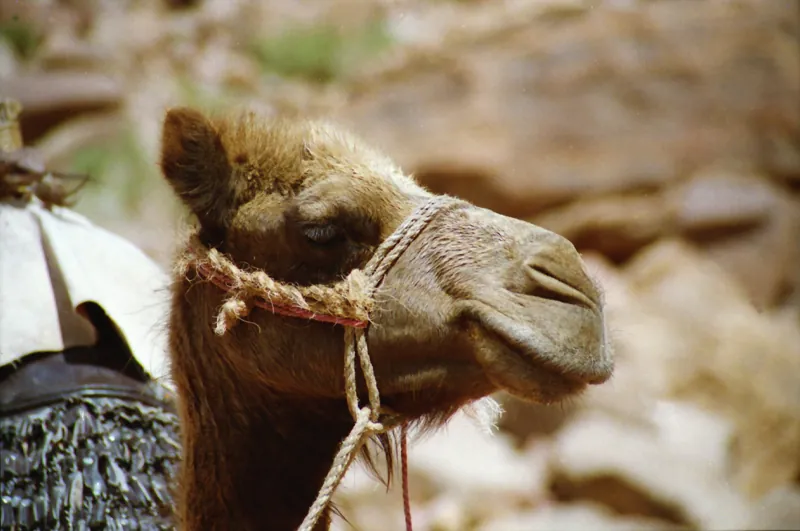
The hump is the most famous misunderstanding in the desert. San Diego Zoo is blunt about it: camel humps store fat, not water, and the fat is an energy source. When food is scarce the camel uses the fat and the hump leans over and droops.1
The water trick is elsewhere. A camel can go a week or more without water and several months without food. It can survive losing 40 percent of its body weight, then drink up to 145 litres (32 gallons) in one session.1 It also has a thin, clear inner eyelid that keeps sand out while still letting light in, double rows of long eyelashes, and nostrils it can close.1
There are two kinds. The dromedary has one hump and the Bactrian two; the zoo’s memory trick is a capital D on its side for one hump and a B for two. About 90 percent of the world’s camels are dromedaries, and the dromedary now lives only as a domesticated animal. A feral population lives in Australia, descended from pack animals imported in the 19th century.1
The fennec fox: ears as radiators
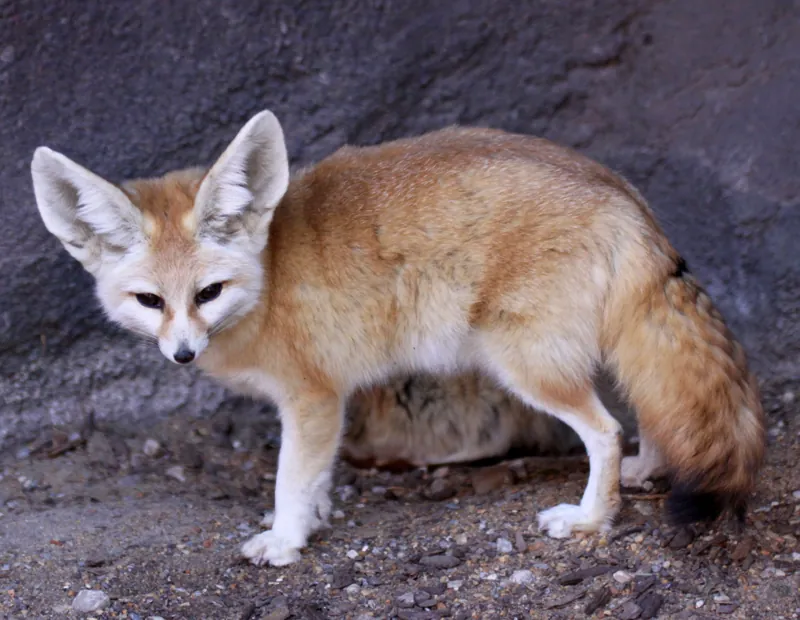
The fennec is the smallest fox in the world, weighing about 1.6 kilograms, and its ears reach 10 to 15 centimetres (4 to 6 inches). They do two jobs: they let it hear prey underground, and they shed excess heat.2
It gets most of the water it needs from the plants it eats. Fur on the soles of its feet protects the pads from scorching sand, and it spends the hottest part of the day in dens dug into dunes, up to about a metre (3 feet) deep.2
The beetle that drinks fog
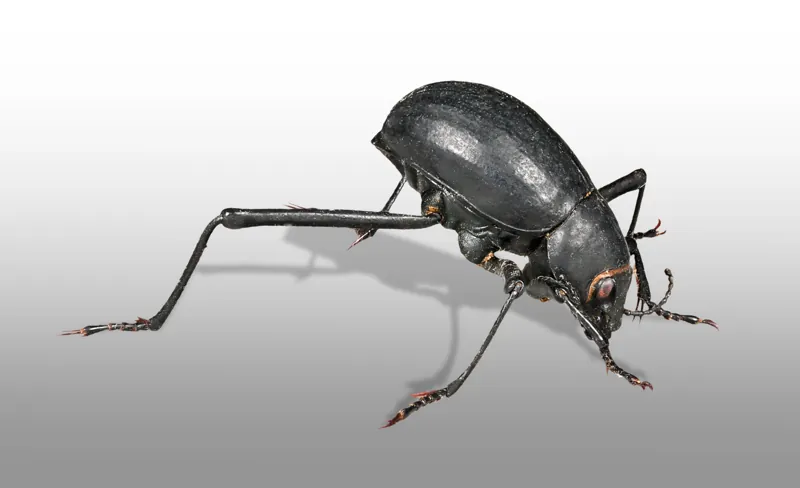
On the coast of the Namib, fog rolls in from the Atlantic, and some beetles there collect drinking water from fog-laden wind on their backs. A 2001 paper in Nature showed how: the back is bumpy, with alternating water-repelling, wax-coated patches and water-attracting, non-waxy ones. That is how the large droplets form. The authors noted that the design can be reproduced cheaply on a commercial scale.3
The sandgrouse: a bird that carries water in its feathers
Male Namaqua sandgrouse soak their belly feathers at a waterhole and fly back to the nest, where the chicks drink from them. MIT researchers found the feathers hold water so well that a male can fly more than 20 kilometres and still have enough left for his chicks.4 The secret is in the feather structure: when wet, coiled barbules in the inner zone unwind into a dense forest of fibres that holds water by capillary action, while barbules in the outer zone curl inward to help keep it there.4
The kangaroo rat rarely drinks at all
The National Park Service at White Sands says kangaroo rats are so well adapted to dry places that they rarely, if ever, drink water. They lose very little: their urine and droppings are highly concentrated.5 They are also built to escape: huge hind legs let a kangaroo rat leap about nine feet (2.7 metres) in one bound.6
The thorny devil drinks with its skin
Australia’s thorny devil can drink by standing in a puddle. Water is drawn into tiny capillary channels between its overlapping scales, and the channels lead to its mouth.7 A University of Western Australia team went further and studied the other water it can use, including damp sand, morning dew and humidity in the air.7
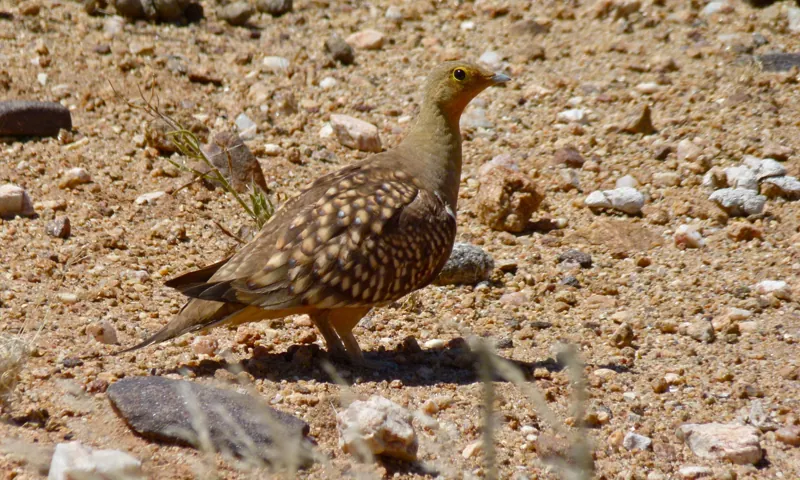
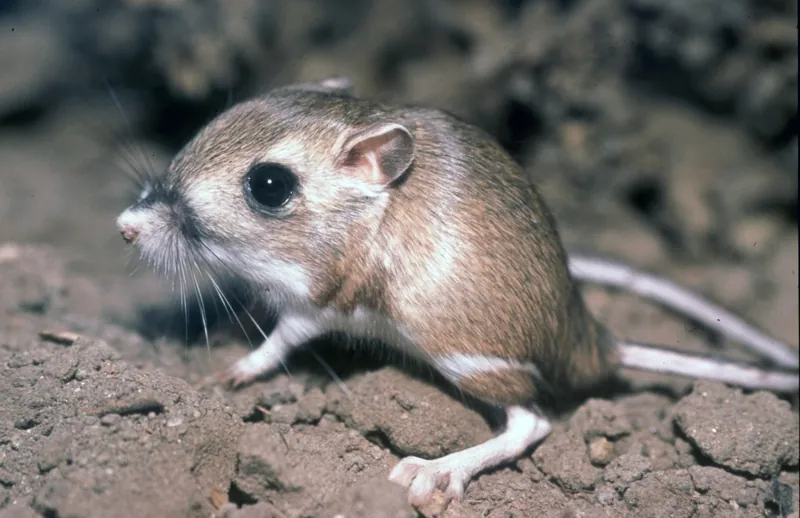
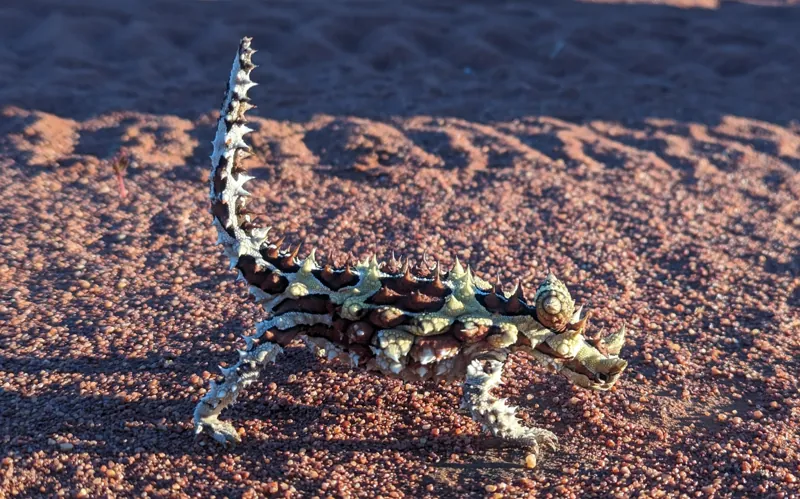
Kept apart: a zoo photograph is labelled as a zoo photograph, and the kangaroo rat pictured is a Californian species, not the one in White Sands. The facts come from the sources linked, not from the pictures.